
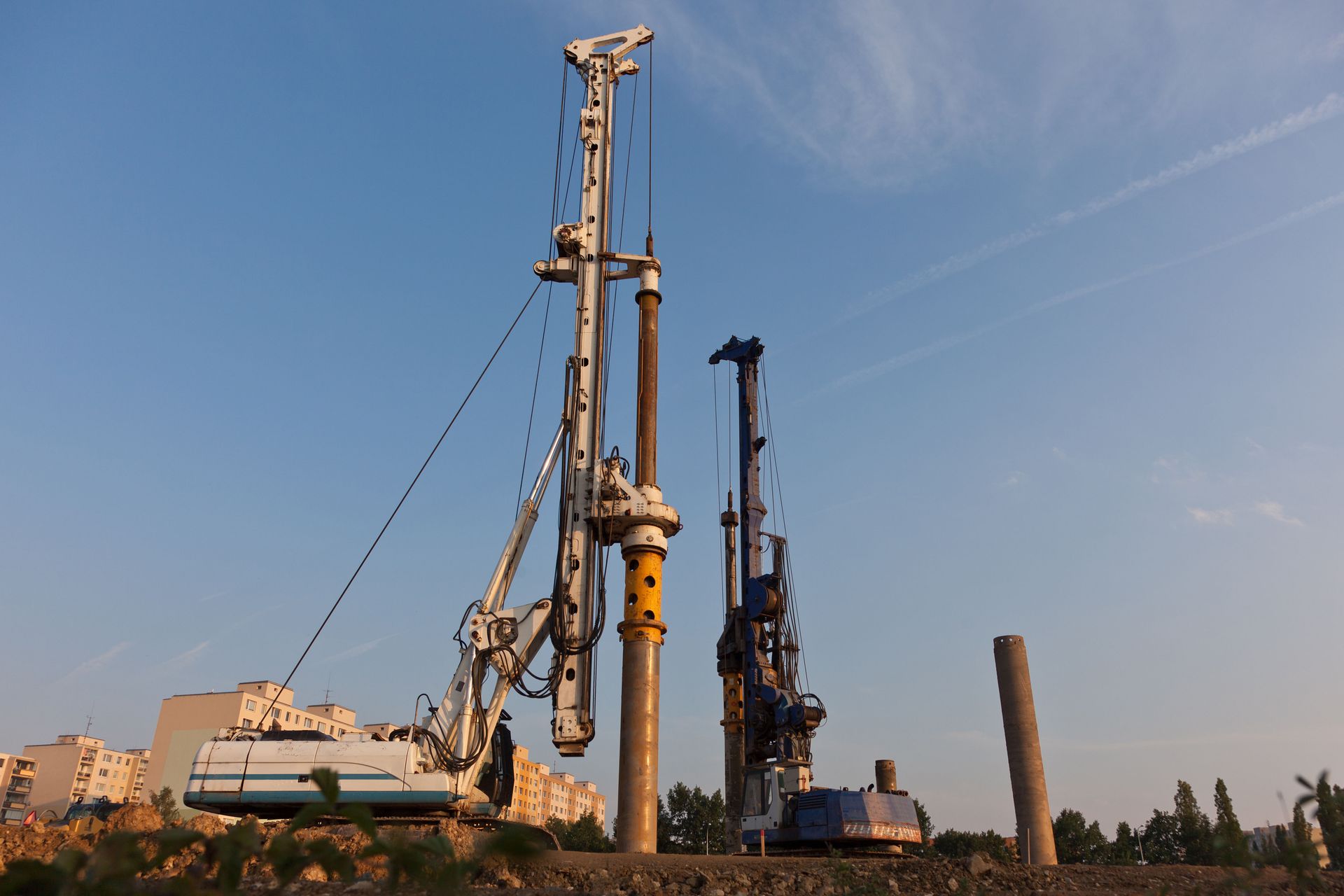
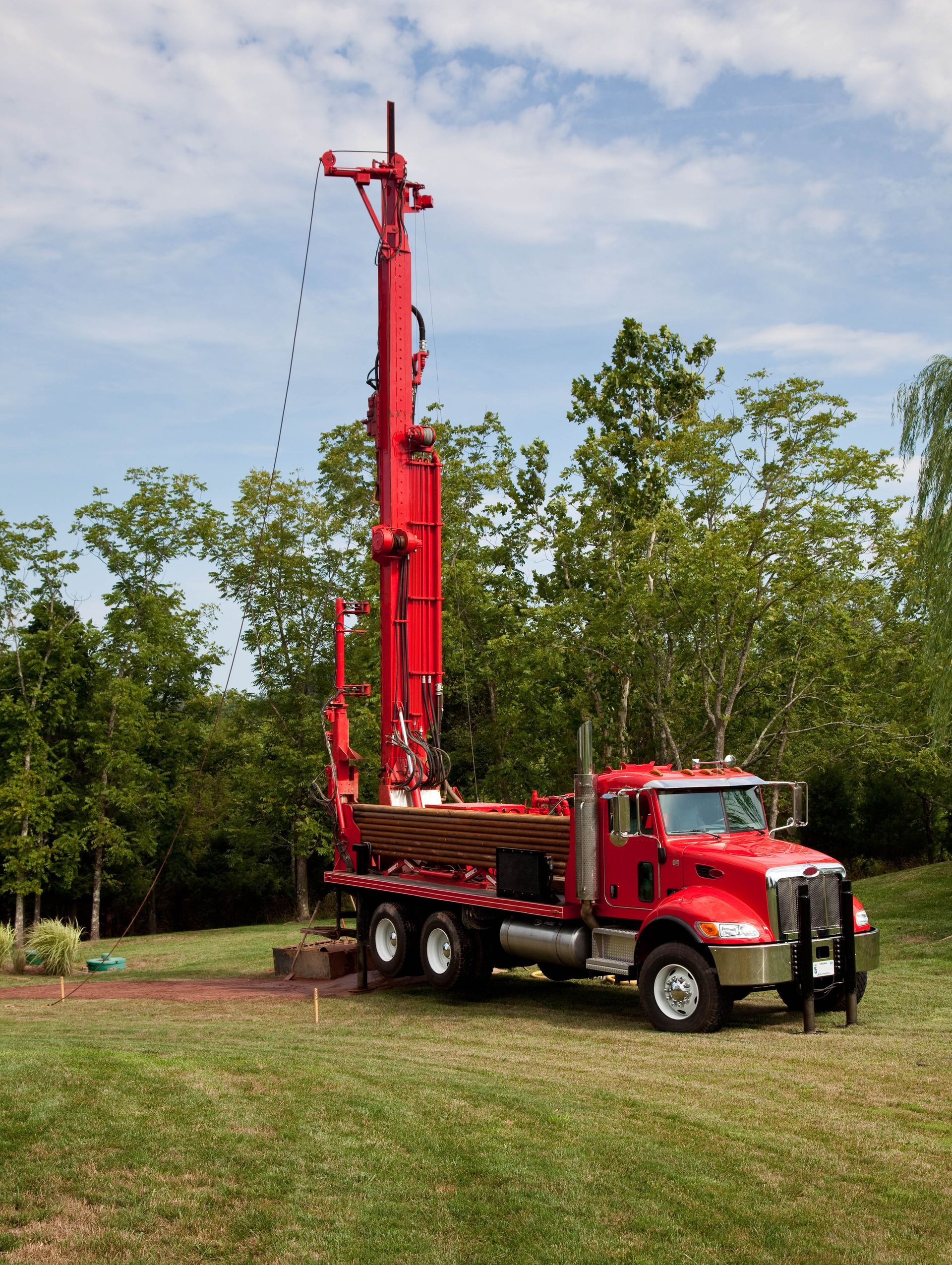
Pier drilling services play a pivotal role in the construction and engineering sectors, offering foundational support for a multitude of structures. These services involve the strategic placement of piers into the ground to support the load of both small and large-scale projects. As urban landscapes continue to evolve, the demand for reliable and efficient foundational solutions grows in tandem. Pier drilling addresses this need by providing enhanced stability and adaptability. This exploration delves into the manifold benefits of pier drilling services, emphasizing their importance in modern infrastructure development. Improving Structural Stability Pier drilling services significantly enhance foundation support by providing deep-rooted stability for structures. The depth and precision of drilled piers ensure that buildings, highways, and heavy industrial facilities can withstand substantial vertical and lateral loads. This is particularly critical in dense urban areas where surface soil conditions vary significantly or lack the capacity to bear heavy loads. Utilizing specialized machinery to anchor a foundation deep into the earth ensures that the structural integrity of the building remains uncompromised over time. A key benefit of utilizing pier drilling services is the resistance they provide against various environmental stressors. Whether it involves resisting seismic activity, accommodating shifting water tables, or withstanding high lateral winds, properly engineered piers hold firm under duress. This quality is crucial as changing weather patterns lead to more frequent and severe environmental challenges. The stability provided by drilled piers not only ensures the immediate safety of occupants but also significantly prolongs the overall lifespan of the infrastructure. The long-term durability of structures supported by high-quality pier drilling services cannot be overstated. By anchoring structures deep into stable soil or bedrock, drilled piers offer a permanent solution to foundational shifting, settling, and ground heave. According to Future Market Insights, the rock-socketed drilling rig market was valued at $4.80 billion in 2025. This significant valuation reflects the global construction market's enduring, massive need for specialized heavy equipment and technologies that bolster long-term structural integrity. Maximizing Cost Efficiency Professional pier drilling services offer notable cost efficiencies, starting with a substantial reduction in material waste. Precision drilling ensures that only the exact necessary amount of concrete and steel reinforcement is used, minimizing excess spoils and reducing overall material expenditures. This highly controlled approach not only conserves valuable natural resources but also promotes sustainable construction economics. The precision afforded by modern drilling techniques makes it possible to execute complex foundational designs with minimal financial and resource waste. Optimal use of resources is achieved by employing advanced drilling technology that maximizes the impact of time, manpower, and heavy machinery. Modern drilling techniques have evolved to ensure that every workflow on the job site is fully optimized, reducing redundancies and accelerating project timelines. With fewer raw materials needed and reduced manual labor requirements compared to massive open excavations, the overall financial impact on construction budgets can be noticeably lessened. This efficient resource management aligns perfectly with the economic demands of modern developers. The long-term economic benefits of pier drilling services extend to a decreased need for future structural repairs. High-quality foundational work executed correctly upfront reduces the likelihood of differential settling or shifting that later necessitates costly structural retrofitting or underpinning. The durable materials and precise methods used in deep foundation drilling provide a firm, unmoving base, minimizing maintenance needs over the multi-decade lifespan of the structure. For project managers, this foresight represents a massive lifecycle saving that protects the initial capital investment. Prioritizing Environmental Considerations One of the key environmental benefits of modern pier drilling services is the minimal disturbance caused to the project site compared to traditional mass excavation methods. Drilled piers are installed using advanced, compact machinery that reduces the total amount of earthwork and topsoil disruption required on-site. This means that surrounding ecosystems, local vegetation, and adjacent historical structures can remain largely intact. With careful planning, the physical construction footprint is kept small, allowing contractors to comply easily with strict local environmental regulations. The integration of eco-friendly materials and low-emission practices within pier drilling services further enhances their environmental credentials. By utilizing high-durability concrete mixes and optimizing drilling efficiency to reduce fuel consumption, the carbon footprint of the foundation phase is substantially reduced. The move toward green building practices is critical given the construction industry's impact on global energy consumption. Choosing sustainable deep foundation techniques satisfies increasingly environmentally conscious stakeholders while ensuring high structural performance. A significant environmental benefit of utilizing pier drilling services is the mitigation of soil erosion, which is a common issue faced during massive earth-moving operations. The less invasive, localized nature of drilling individual shafts helps maintain the structural integrity of the surrounding soil matrix, preventing erosion and subsequent sediment runoff into local waterways. This is particularly vital when building in coastal zones, wetlands, or regions prone to heavy seasonal rainfall, showcasing a balance between fulfilling infrastructure needs and preserving natural resources. Demonstrating Versatility in Application Commercial and residential projects alike benefit from the immense versatility offered by pier drilling services. The inherent adaptability of deep drilling techniques allows for highly customized installations that meet the unique load requirements of diverse project types. Whether supporting high-rise commercial towers, multi-family residential complexes, or expansive industrial warehouses, the foundational support provided is consistently reliable. This multi-application versatility makes drilled piers a preferred choice for general contractors and structural engineers worldwide. Beyond standard commercial and residential applications, pier drilling services play a crucial role in heavy civil infrastructure development. Whether engineering foundations for highway bypasses, major river bridges, cellular towers, or public transit systems, the consistent load-bearing capacity provided by drilled piers is indispensable. The ability to support extensive vertical loads over vast spans renders them ideal for significant public works. As modern cities expand, the reliance on deep foundations to facilitate safe public infrastructure projects becomes increasingly vital. One of the standout features of pier drilling services is their exceptional adaptability to various soil types and challenging geological conditions. Advanced drilling technology allows operators to penetrate diverse strata, including loose sand, dense clay, cobbles, and hard bedrock, mitigating the potential risks posed by poor surface soils. This versatility is crucial in regions where expansive clays or high water tables would cause traditional shallow foundations to fail, broadening the scope of viable geographic locations for new construction projects. Integrating Technological Advancements Technological advancements have ushered in a new era for pier drilling services , particularly with the widespread adoption of automated drilling techniques. Automation has streamlined the excavation process, enhancing drilling precision and reducing the total hours required to complete complex shaft installations. This mechanical efficiency translates directly to predictable project timelines and reduced labor expenses. Furthermore, automated control systems minimize the margin of human error, leading to significantly safer and more accurate outcomes on the job site. The integration of real-time digital monitoring and telemetry analytics into pier drilling operations marks another major leap forward for the industry. These advanced systems provide critical data regarding shaft verticality, drilling torque, and concrete integrity that can be used to fine-tune operations immediately. For construction managers, access to real-time data provides enhanced decision-making capabilities and an unprecedented degree of quality control. Additionally, predictive analytics help monitor equipment health, preventing unexpected mechanical downtime and costly field delays. Ultimately, the benefits of specialized drilling extend well beyond the immediate physical foundations placed in the earth. They represent a perfect confluence of engineering excellence, economic feasibility, environmental stewardship, and technological innovation. These overlapping factors are exactly why advanced deep foundations remain the preferred solution for constructing enduring, resilient infrastructure across both public and private sectors. For more information about the services that we offer, reach out to our incredible team at Strata Foundation Drilling today!